
Frontal Lobe: Function, Location, and What Happens When It’s Damaged
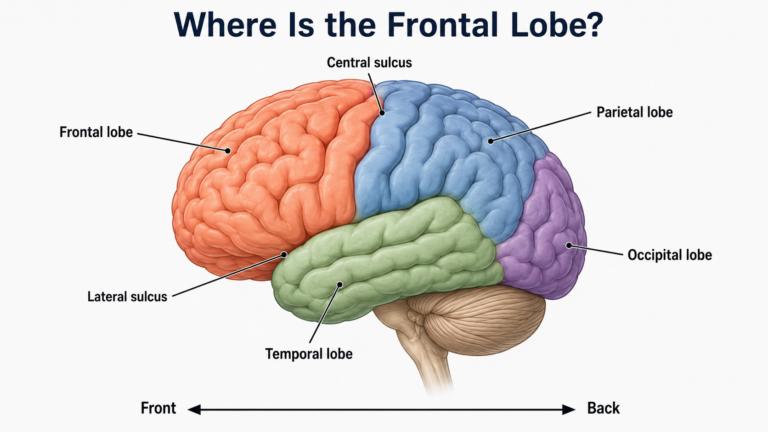
The frontal lobe is the front section of the brain, sitting roughly behind your forehead. It does two very different jobs at once. It moves your body on purpose, and it helps you plan, judge situations, and hold back impulses you’d regret acting on. Everyone has two frontal lobes, one behind each side of the…